The Complete Beginner's Guide to the Stock Market
Written with AI assistance and reviewed by the NorwegianSpark SA editorial team.
Last updated: July 2026 · 8 min read

This article is for informational purposes only and does not constitute financial advice. Always consult a qualified financial adviser before making investment decisions.
The stock market has long been viewed as an exclusive club for the wealthy, but the truth is that anyone with modest savings and basic understanding can start investing. This comprehensive guide will walk you through everything you need to know to begin your investment journey with confidence.
Understanding Stocks: The Basics
A stock represents ownership in a company. When you buy a share of a company's stock, you own a small piece of that business. Companies issue stocks to raise capital for expansion, and investors buy stocks hoping the company will grow and become more valuable.
There are two primary types of stocks: common shares and preferred shares. Common shareholders have voting rights in company decisions and may receive dividends, while preferred shareholders have priority claims on company assets but typically no voting rights.
Why Invest in Stocks?
Stock investing offers several compelling advantages over traditional savings accounts. Historically, stocks have delivered average annual returns of 7-10%, significantly outpacing inflation and savings account interest rates. This growth comes from two sources: capital appreciation (the stock price increasing) and dividends (cash payments companies distribute to shareholders).
Long-term investing in stocks builds wealth through the power of compound growth. A $5,000 investment at 8% annual returns grows to approximately $21,000 after 20 years—without adding another dollar.
Getting Started: Your First Steps
Before buying your first stock, you need a brokerage account. A brokerage is a financial institution that provides a platform for buying and selling securities. Modern brokerages offer commission-free trading, dramatically reducing investment costs compared to 20 years ago.
When selecting a broker, consider factors like user interface, available research tools, educational resources, and customer support. Popular beginner-friendly brokers include Charles Schwab, Fidelity, E*TRADE, and Robinhood.
Building a Beginner-Friendly Portfolio
Rather than attempting to pick individual stocks, many experts recommend beginners start with index funds or ETFs (Exchange Traded Funds) that track market indexes like the S&P 500. These provide instant diversification across hundreds of companies, reducing risk.
A simple three-fund portfolio for beginners might include: a total stock market index fund (60% of your allocation), an international stock index fund (25%), and a bond index fund (15%). This balanced approach provides growth potential while managing risk.
Common Beginner Mistakes to Avoid
Many new investors make preventable errors. The most common mistake is trying to time the market—attempting to buy low and sell high. Research shows that time in the market beats timing the market. Regular, consistent investing regardless of market conditions (dollar-cost averaging) outperforms most active trading strategies.
Another mistake is holding too much cash in money market accounts earning minimal interest. While emergency funds are essential, keeping significant savings in low-yield accounts works against building wealth.
Risk Tolerance and Time Horizon
Before investing, honestly assess your risk tolerance and investment timeline. If you'll need the money within five years, stocks may be too volatile. If you won't need the money for 20+ years, you can weather market downturns and benefit from long-term growth.
Your age is important but not deterministic. A 60-year-old with a 30-year retirement ahead has a longer time horizon than a 30-year-old who'll need their investment in five years.
Starting Your Investment Journey
Begin with small, manageable amounts. You don't need thousands to start—many brokers allow investments of just $1. The most important step is beginning, not waiting for the "perfect" time to invest.
Set up automatic investments if possible. This removes emotion from investing and ensures you invest consistently regardless of market conditions. Starting with $100 monthly invested for years will build substantial wealth through compound growth.
Remember, investing is a marathon, not a sprint. Focus on consistent habits, maintain a long-term perspective, and avoid reacting emotionally to short-term market fluctuations. Over decades, this patient approach builds significant wealth for virtually anyone willing to start.
Keeping Track Once You've Started
Once you own more than one or two positions, keeping a clear picture of your allocation gets harder than it sounds. Some investors use AI-assisted tools like PopAI Pro Sheets to pull portfolio data together and flag concentration or fee issues without needing a finance background — useful once you have money in the market, not before.
This article is for informational purposes only and does not constitute financial advice. Always consult a qualified financial adviser before making investment decisions.
About this article
This article was produced by Daniel Marchetti — written with AI assistance and reviewed by the NorwegianSpark SA editorial team. YieldNav is operated by NorwegianSpark SA (org. 834 984 172), founded by Thomas Løvås Lokøy and Øyvind. We are not licensed financial advisers, and nothing here is personalised advice. Some links are affiliate links; where a partner pays us, your capital is still at risk and our editorial view is unchanged. Read our about page and affiliate disclosure.
Advertisement
Related Articles
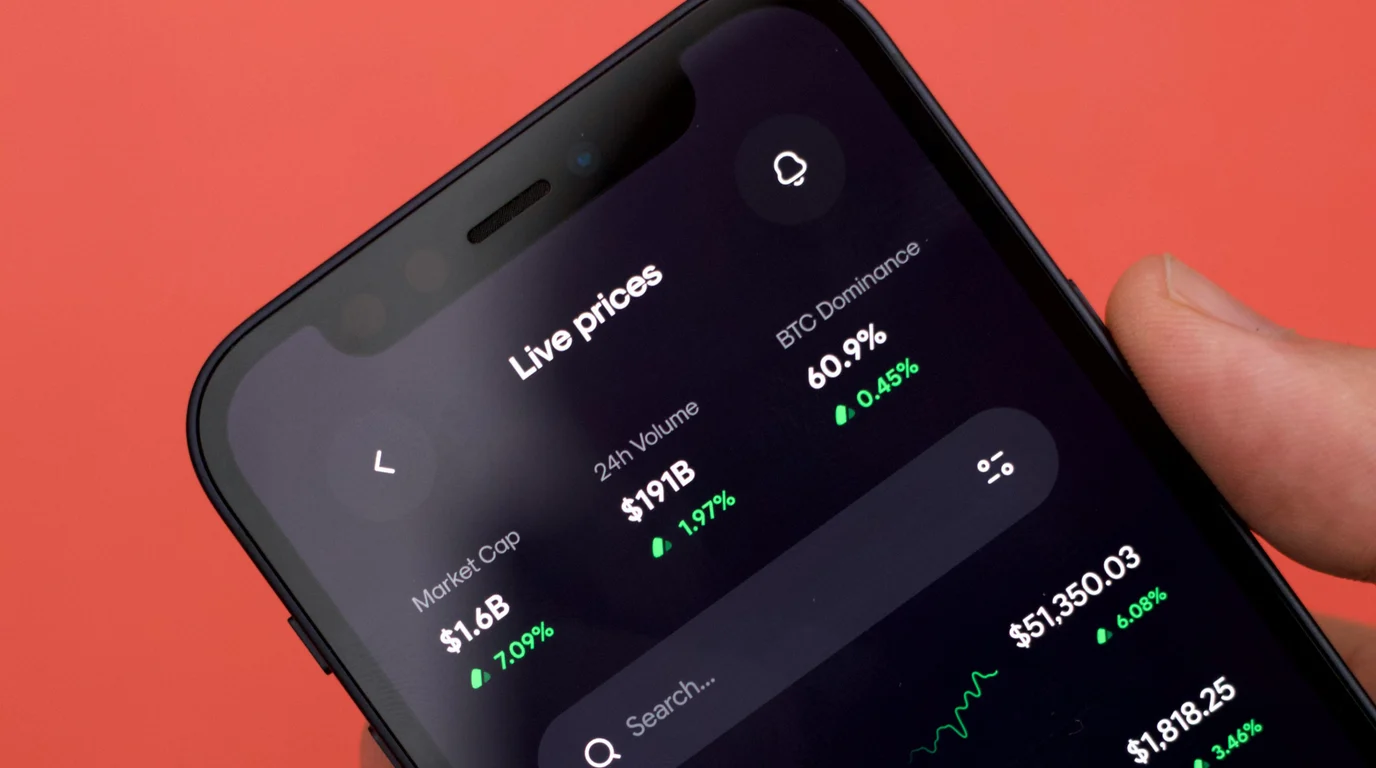
Cryptocurrency Investment Guide for Traditional Investors
Understand cryptocurrency fundamentals and how it fits into a traditional investment portfolio.

5 Behavioural Biases That Can Ruin Your Investing Decisions
Loss aversion, recency, overconfidence, herding and anchoring cost long-term investors more than fees do. Here is the tell for each one and the structural fix that works when willpower does not.

ETFs vs Stocks: Which Should You Choose?
ETFs vs stocks, explained honestly: what each really is, the costs, the evidence on stock-picking, the tax differences, and how to decide between a diversified basket and individual shares in 2026.