Crypto Investing for Beginners: What You Need to Know Before Buying
Thomas & Øyvind — NorwegianSpark
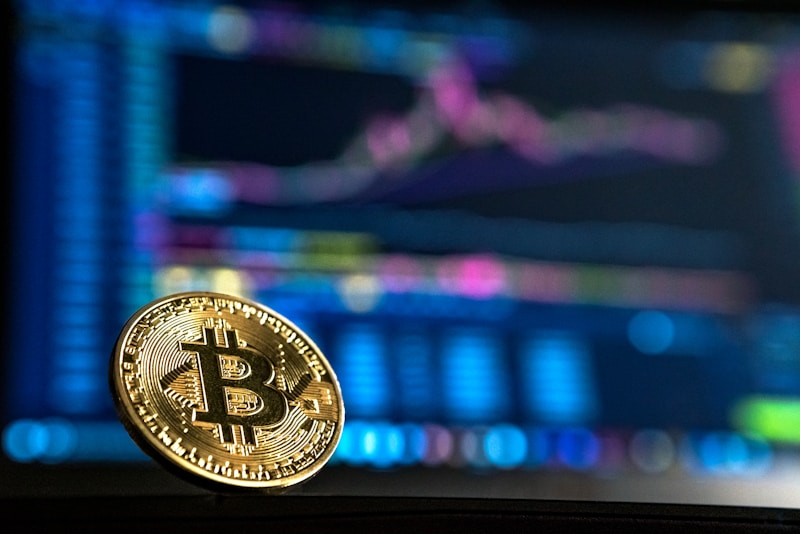
Cryptocurrency has gone from a niche experiment to a trillion-dollar asset class in under 15 years. Whether you're curious, sceptical, or ready to invest, understanding what you're dealing with is essential before putting any money in.
## What Blockchain and Crypto Actually Are (Simply)
A blockchain is a decentralised ledger — a record of transactions maintained by thousands of computers worldwide rather than a single bank or government. When you send Bitcoin to someone, that transaction is verified by the network and permanently recorded on the blockchain. No single entity controls it, and once recorded, transactions can't be altered.
Cryptocurrency is digital money that lives on a blockchain. Bitcoin was the first (launched in 2009). It was designed to be a peer-to-peer payment system that doesn't require banks or governments. Since then, thousands of other cryptocurrencies have been created, each with different purposes and technology.
The key innovation is trustless transactions: you can send value to anyone in the world without needing a bank, payment processor, or government to approve it. Whether this matters to you depends on your situation — most people in developed countries with stable banking systems don't need this. People in countries with capital controls, hyperinflation, or limited banking access find it transformative.
## Bitcoin vs Altcoins
**Bitcoin (BTC)**: The original and largest cryptocurrency by market cap. Often called "digital gold" because it has a fixed supply (21 million coins, ever) and is primarily used as a store of value. Bitcoin is the most decentralised, most secure, and most battle-tested cryptocurrency.
**Ethereum (ETH)**: The second-largest cryptocurrency. Ethereum is a programmable blockchain — developers can build applications (DeFi, NFTs, smart contracts) on top of it. Think of Bitcoin as digital gold and Ethereum as a decentralised computing platform.
**Altcoins**: Everything else. This includes thousands of tokens ranging from legitimate projects (Solana, Cardano, Polygon) to outright scams. The vast majority of altcoins will go to zero over time. Some will generate extraordinary returns. Telling them apart in advance is extremely difficult.
**Stablecoins**: Cryptocurrencies pegged to fiat currencies (USDC, USDT). Used for trading, lending, and transferring value without volatility. Not investments, but useful tools in the crypto ecosystem.
## Why Crypto Is Different from Stocks
When you buy a stock, you own a piece of a business that generates revenue, pays employees, and (hopefully) grows profits. The stock's value is anchored to the company's fundamentals.
When you buy Bitcoin, you own a digital asset with no earnings, no employees, and no cash flow. Its value is based entirely on what other people are willing to pay for it — driven by scarcity (fixed supply), utility (as a payment network or store of value), and sentiment.
This means crypto is inherently more speculative than stocks. That doesn't make it worthless — gold has been valuable for thousands of years with no cash flow either — but it does mean the risk profile is fundamentally different.
## Position Sizing for Risk Tolerance
The most important decision in crypto investing isn't which coin to buy — it's how much of your portfolio to allocate. Here's a framework:
**Conservative (1%–3%)**: You believe crypto has potential but don't want it to materially impact your financial plan if it goes to zero. This is the right allocation for most people who are primarily investing in stocks and bonds.
**Moderate (5%–10%)**: You have conviction in crypto's long-term potential and can tolerate significant volatility without panic-selling. Your core portfolio (stocks, bonds, retirement accounts) is already well-funded.
**Aggressive (10%–20%)**: You're young, have high risk tolerance, and understand you could lose the entire allocation. You have no debt, a funded emergency fund, and are maximising tax-advantaged retirement contributions.
**Never**: 100% of your portfolio. Never. Crypto can drop 80%+ in a single year (it has, multiple times). An allocation you can't afford to lose becomes an allocation you'll panic-sell at the worst time.
## Custody: Exchange vs Hardware Wallet
**Exchange custody (Coinbase, Kraken)**: The exchange holds your crypto for you. Convenient, easy to trade, but you're trusting the exchange not to get hacked or go bankrupt (FTX proved this risk is real). Best for small holdings you actively trade.
**Hardware wallet (Ledger, Trezor)**: A physical device that stores your private keys offline. You control your crypto directly — no exchange can freeze it or lose it. The trade-off: if you lose your recovery phrase, your crypto is gone forever. Best for long-term holdings you don't plan to trade frequently.
**The rule of thumb**: If your crypto holdings exceed what you'd be comfortable losing to an exchange hack, move the excess to a hardware wallet.
## Tax Treatment of Crypto Gains
In the US, cryptocurrency is treated as property by the IRS. This means:
- **Selling crypto for USD**: Taxable event. Short-term gains (held under 1 year) taxed as ordinary income (up to 37%). Long-term gains (held over 1 year) taxed at capital gains rates (0%, 15%, or 20%). - **Trading one crypto for another**: Taxable event. Even swapping Bitcoin for Ethereum triggers a capital gains calculation. - **Spending crypto**: Taxable event. Buying a coffee with Bitcoin technically requires calculating capital gains on the Bitcoin spent. - **Receiving crypto as payment**: Taxed as ordinary income at fair market value when received.
The tracking burden is significant. Use crypto tax software (CoinTracker, Koinly) to automate calculations. Many crypto investors are surprised by tax bills because they didn't realise trades between cryptocurrencies were taxable.
## The Honest Risk Picture
Crypto can generate extraordinary returns. Bitcoin has been the best-performing asset of the last decade by a wide margin. But it also carries risks that stocks don't:
- **Regulatory risk**: Governments can ban or heavily regulate crypto. China did. Others may follow. - **Technical risk**: Smart contract bugs can lose funds permanently. Bridges between blockchains have been hacked for billions. - **Volatility**: 50%–80% drawdowns have happened multiple times. If you can't hold through that, you'll sell at the bottom. - **Scam risk**: The crypto space is full of fraud — rug pulls, Ponzi schemes, fake projects. If something promises guaranteed returns, it's a scam. - **Custody risk**: Lose your private keys and your crypto is gone forever. No customer service can help.
Approach crypto with clear eyes. Allocate only what you can afford to lose entirely. Focus on Bitcoin and Ethereum as core positions. Treat everything else as speculation. And never invest money you need for bills, debt payments, or your emergency fund.